RESIDENTIAL & COMMERCIAL
Roof Replacement
From new construction to replacing an aging roof.
A quality roof starts with proper installation. We install complete residential and commercial roofing systems using quality materials, proven installation methods, and dependable workmanship built to protect your property for years to come.
- New Build Roof Installations
- Aging Roof Replacements
- Warrantied Roof-Over Systems
- Manufacturer & Workmanship Warranties
Schedule your free roof estimate today by completing the form.
Roof Replacement for Residential
Not every roof replacement is the same. Whether your roof has reached the end of its service life, you're building a new home, or your roof qualifies for a roof-over, we'll help you choose the replacement solution that's right for your property.
Complete Roof Replacement
- Roof past its lifespan?
- Multiple roof leaks?
- Granules in your gutters?
- Best long-term value.
New Construction
- Building a new home?
- Complete roofing system.
- Roof deck installation.
- Code-compliant installation.
Roof-Over Systems
- Qualifies for an overlay?
- No tear-off required.
- Less disruption.
- Fully warrantied.
Residential Roof Replacement Material Options
- Architectural Shingles
- Luxury Designer Shingles
- 3-Tab Shingles
- Low-Slope Rubber
- Metal Panels
Need Professional a Professional Roof Replacement?
From minor storm leaks to full shingle replacements, our team provides honest answers and free, detailed estimates.
Certified Duro-Last® Roofing Contractor
Roof Replacement for Commercial
Every commercial building is different, and so is every roof replacement. Whether your roof has reached the end of its service life, you're constructing a new facility, or your building qualifies for a roof-over system, we'll help you determine the best replacement solution for your property.
Complete Roof Replacement
- Multiple roof leaks?
- Continuously repairing?
- Lower heating and cooling cost.
- 15 - 30 Year NDL Warranties.
New Construction
- Constructing a new building?
- Complete roofing system.
- From deck ISO to metal edges.
- Manufacturer-Certified Installation.
Roof-Over Systems
- Qualifies for an overlay?
- Minimal business disruption.
- Lower labor costs.
- Fully warrantied.
Commercial Roof Replacement Material Options
- Durable Asphalt Shingles
- Duro-Last® PVC
- Duro-Tech™ TPO
- EPDM Rubber
- Commercial Metal Roofing
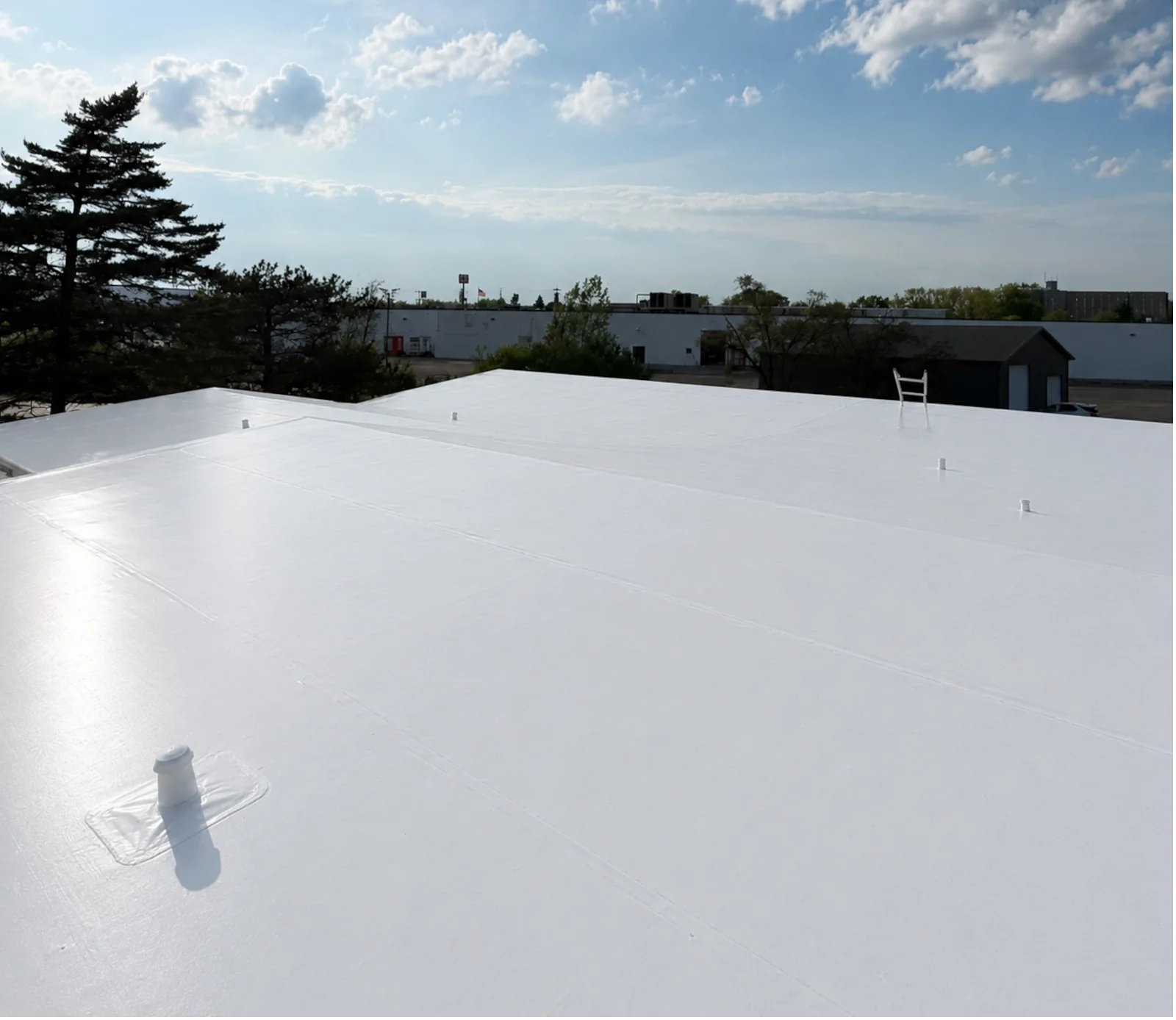
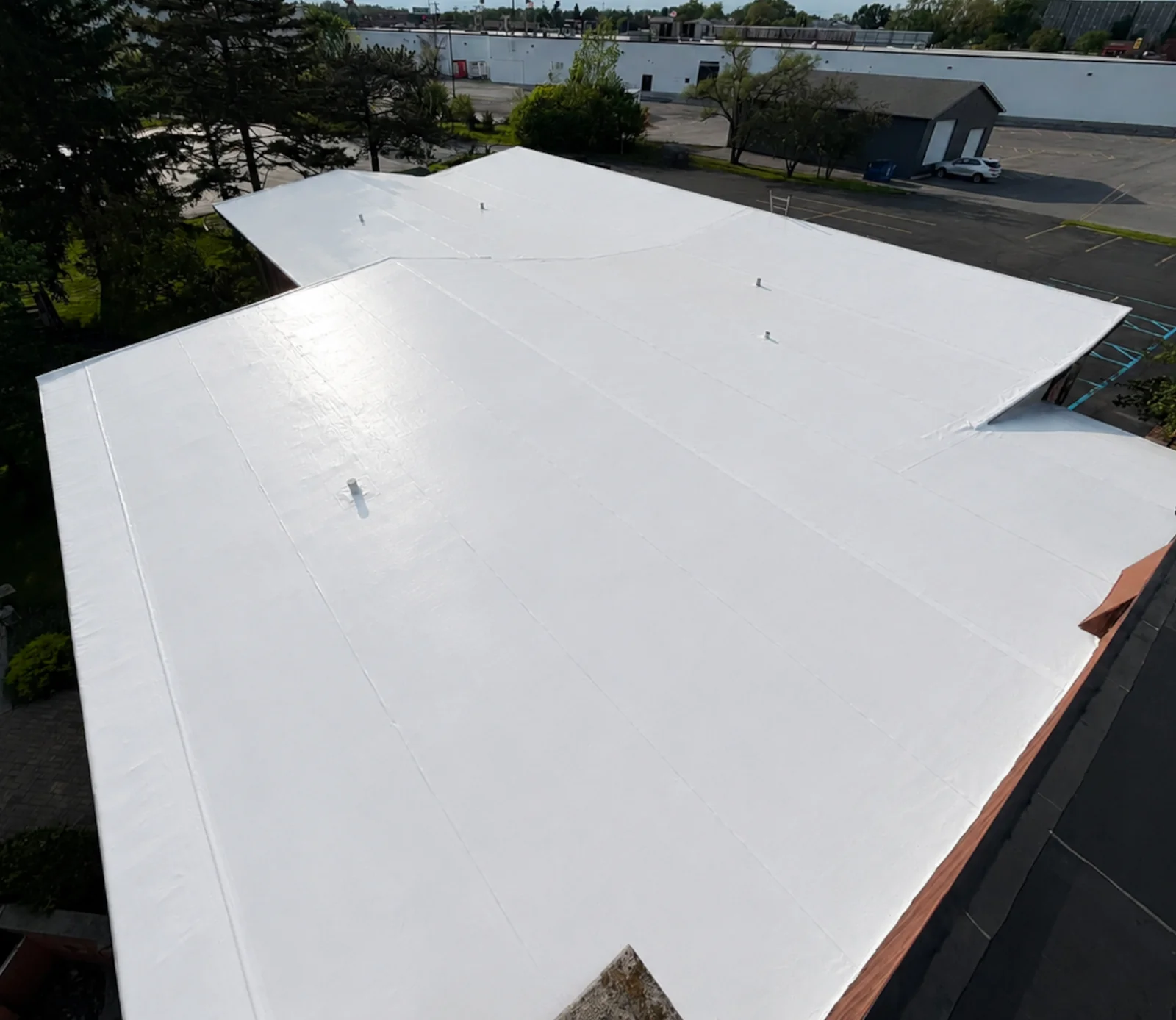
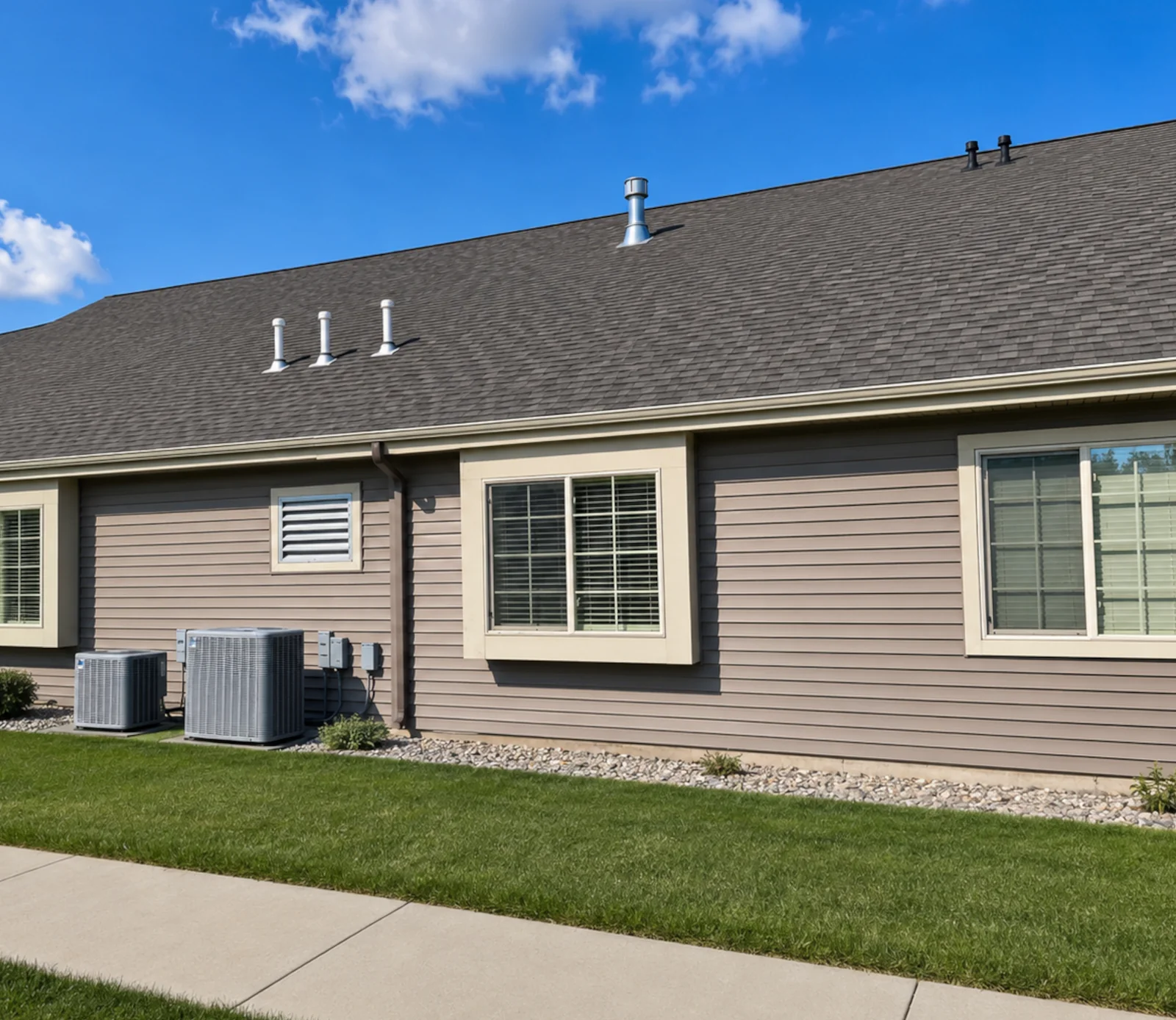
Recent Commercial & Residential Roof Replacement Projects
Roof Replacement FAQs
Have questions about replacing your roof? Learn when a roof replacement is the right choice, what to expect during the project, and answers to common questions about costs, materials, warranties, insurance, and the installation process.
How do I know when it's time to replace my roof instead of repairing it?
Deciding between a roof repair and a full replacement depends on system age, damage extent, and structural deck integrity across both residential and commercial properties.
- Residential (Pitched/Shingle): A targeted repair is ideal for localized wind damage, isolated pipe boot leaks, or missing shingles on a system under 15 years old. A full replacement is necessary when there are widespread leaks across multiple roof slopes, severe granule loss exposing the asphalt mat, or structural decking rot.
- Commercial (Flat/Low-Slope): A targeted seam or patch repair works for minor punctures, isolated membrane tears, or failing pipe flashings. A full commercial replacement or re-cover becomes necessary when moisture gets trapped under the membrane saturating the insulation, widespread seam failure occurs, or single-ply systems (such as PVC, TPO, or EPDM) reach the end of their 15-to-30-year warranted lifespan.
What happens if you find damaged roof decking during my roof replacement?
If rotted, water-damaged, or sagging decking is discovered after tearing off old materials, the compromised wood sheets or steel decking must be cut out and replaced before installing the new roof.
- Residential Decking: Damaged OSB or plywood sheets are removed and replaced with fresh, building-code-compliant wood decking to ensure proper shingle nail retention and structural stability.
- Commercial Decking: Damaged metal decking, wood planking, or concrete substrate is evaluated and replaced or repaired to ensure a solid foundation for rigid insulation boards and single-ply membranes (such as PVC or TPO).
Can I stay in my home or operate my business while the roof is being replaced?
Yes. Homeowners and business owners can remain inside during a roof replacement because interior living spaces and primary building entrances remain fully accessible throughout the project.
- Residential Impact: The tear-off and installation process creates significant overhead noise, structural vibrations, and falling exterior debris. Homeowners who work from home, have infants, or own noise-sensitive pets should plan to be away from the property during active construction hours.
- Commercial Impact: Work can be scheduled in phases or outside of peak business hours to minimize operational disruptions. Clear safety perimeters and covered pedestrian walkways are established around building entrances to ensure safe customer and employee access.
Will my insurance pay for a roof replacement?
Insurance coverage depends on the cause of the damage and the specific terms of your policy.
- What Is Covered: Insurance policies typically pay for a roof repair or replacement if the damage is caused by sudden, accidental covered perils, such as hail, high winds, severe storms, or falling trees.
- What Is Not Covered: Insurance policies do not cover roof replacements required due to normal aging, wear and tear, manufacturing defects, or deferred maintenance.
How long will my new roof last?
The lifespan of a new roof depends on the selected material, attic ventilation, weather exposure, and regular maintenance.
- Residential Roof Systems: Standard 3-tab asphalt shingles last 15 to 20 years, while upgraded architectural asphalt shingles last 22 to 30 years. Metal roofing systems (such as standing seam) last 40 to 70 years.
- Commercial Roof Systems: Single-ply membrane systems (such as Duro-Last PVC and TPO) feature warranted performance lifespans ranging from 15 to 30 years. EPDM rubber roofs typically last 20 to 25 years, while commercial metal roofs can exceed 40 years.
What should I do to prepare before my roof replacement begins?
To ensure a smooth installation and protect your property during construction, follow these key preparation steps before our crew arrives:
- Move Vehicles: Park all cars, trucks, and trailers away from the driveway and loading areas to allow easy access for dump trailers and equipment, and to prevent damage from stray debris.
- Clear the Exterior Perimeter: Move patio furniture, potted plants, lawn decorations, and grills away from the house or building so crews have a clear drop zone for old materials.
- Protect Interior Decor: Remove fragile items, framed picture frames, and wall decorations from upper-story walls, as hammering and tear-off vibrations can shake interior drywall.
- Manage Access & Safety: Trim low-hanging tree branches that obstruct access to the roof, keep pets safely indoors, and ensure children or building visitors stay clear of active work zones.
- Commercial Properties: Notify tenants or employees in advance regarding designated parking, temporary noise levels, and designated safe entrance routes away from overhead work zones.