RESIDENTIAL & COMMERCIAL
Roof Inspection
Catch Roofing Problems Before They Become Costly Repairs
Roof damage isn't always visible from the ground. If you've noticed a roof leak, recent storm damage, missing shingles, or signs of an aging roof, a professional inspection helps identify problems early so you can make an informed decision before minor issues become more costly repairs.
- Residential & Commercial Roof Inspections
- Roof Leak & Storm Damage Inspections
- Honest, No-Pressure Recommendations
- Free Roof Inspection & Estimate
Schedule your free roof inspection today by completing the form.
Residential Roof Inspections
What You Should Expect During Your Roof Inspection
Every home is different, but our goal is always the same—to identify roofing problems, explain what we find, and provide honest recommendations. Here's what you can expect during a residential roof inspection.
Before we step onto your roof, we take the time to listen to what you've noticed, ask a few questions, and learn about any issues you've experienced. Understanding helps us focus our inspection and identify the source of the problem more efficiently.
- Roof Leak:If you've noticed water dripping from your ceiling or signs of moisture inside your home, we'll inspect your roof to identify the source of the leak.
- Water Stains: Water stains on ceilings or walls often indicate a roofing problem, even if the roof isn't actively leaking.
- Missing Shingles: Missing, loose, or damaged shingles leave your roof exposed to rain, wind, and further deterioration.
- Suspected Ice Dam: Ice dams can force water beneath your shingles, leading to hidden leaks and interior damage during the winter months.
- General Aging: As roofs age, shingles, flashing, and other roofing components naturally wear down from years of exposure to Michigan weather.
- Benefit: Listening first helps us perform a more focused inspection, identify roofing problems more efficiently, and provide recommendations based on your roof's specific needs.
Every residential roof inspection is designed to evaluate the condition of your entire roofing system. We'll inspect the areas most likely to develop problems and explain anything we find along the way.
- Shingles: We inspect shingles for missing, cracked, curling, lifted, or damaged areas that could allow water to enter your home.
- Flashing: Flashing around chimneys, walls, vents, and other roof transitions is checked for gaps, rust, or damage that can lead to leaks.
- Roof Penetrations: Plumbing vents, exhaust vents, skylights, and other roof penetrations are inspected to ensure they remain properly sealed.
- Roof Ventilation: Ridge vents, soffit vents, and other ventilation components are checked to help identify poor airflow and moisture problems.
- Overall Roof Condition: We evaluate the overall condition of your roof and identify any maintenance, repairs, or replacement that may be recommended.
- Benefit: A complete roof inspection helps identify roofing problems early, giving you the information you need to protect your home and avoid more costly repairs.
When accessible, we inspect the attic and interior of your home for signs of roof-related problems that may not be visible from the outside.
- Water Stains: We look for ceiling stains, discoloration, and other signs of active or previous water intrusion.
- Attic Moisture: We check for moisture, mold, or damp insulation that may indicate a roof leak or ventilation problem.
- Roof Deck: When visible, we inspect the underside of the roof deck for water damage, staining, or deterioration.
- Ventilation: We evaluate attic ventilation for signs of poor airflow, excess heat, or moisture buildup that can shorten the life of your roof.
- Daylight Penetration: We look for sunlight entering through the roof deck or around roof penetrations, which may indicate gaps that allow water to enter.
- Benefit: An interior inspection helps uncover hidden roofing problems that may not be visible from the roof alone, allowing repairs to be made before more extensive damage occurs.
Once the inspection is complete, we'll walk you through everything we found in clear, straightforward language. We'll answer your questions, explain any areas of concern, and help you understand the overall condition of your roof.
- Good Condition: If your roof is in good shape, we'll let you know and explain what to watch for in the future.
- Minor Repairs: If we find small issues, we'll explain what needs attention and why addressing them early can help prevent larger repairs.
- Major Damage: If significant damage is present, we'll explain the condition of your roof, discuss your options, and answer any questions before making recommendations.
- Photos: When helpful, we'll show you photos of damaged areas so you can see exactly what we found.
- Questions: We take the time to answer your questions so you can make an informed decision without feeling pressured.
- Benefit: You'll leave with a clear understanding of your roof's condition and honest recommendations based on what we found—not on a sales pitch.
After reviewing our findings, we'll recommend the best course of action based on your roof's condition. Our recommendations are honest, straightforward, and focused on protecting your home—not selling you services you don't need.
- No Repairs Needed: If your roof is in good condition, we'll let you know and recommend routine maintenance and future inspections.
- Roof Repairs: If repairs are the best option, we'll explain what needs to be fixed and why addressing it now can help prevent more costly damage.
- Roof Replacement: If your roof has reached the end of its service life or has extensive damage, we'll explain why replacement may be the better long-term solution.
- Maintenance: If only minor maintenance is needed, we'll recommend the work that will help extend the life of your roofing system.
- Your Options: We'll answer your questions, explain your options, and help you choose the solution that's right for your home and budget.
- Benefit: Honest recommendations help you make confident decisions based on the condition of your roof, not high-pressure sales tactics.
If repairs or roof replacement are recommended, we'll provide a free, detailed estimate outlining the work we recommend. We'll explain the scope of the project, answer your questions, and make sure you understand your options before any work begins.
- Detailed Pricing: You'll receive a clear estimate with the recommended work and associated costs.
- Repair or Replacement Options: When appropriate, we'll explain the differences between repairing your roof and replacing it so you can make an informed decision.
- Insurance Assistance: If your roof has storm damage, we can help you understand the insurance claim process and provide the documentation needed for your claim.
- No Obligation: Our estimates are always free, and you're never under any obligation to move forward with the work.
- Questions Welcome: We'll take the time to answer your questions so you feel confident in whatever decision you make.
- Benefit: A free roofing estimate gives you the information you need to plan your next steps with confidence—without pressure or hidden costs.
Commercial Roof Inspections
What to Expect During Your Commercial Roof Inspection
Commercial roofing systems require a different approach than residential roofs. Our inspection focuses on protecting your building, minimizing business interruptions, identifying potential liabilities, and helping you plan for future maintenance, repairs, or replacement.
Before the inspection begins, we'll meet with your designated representative to discuss the building's roofing history, current concerns, and the purpose of the inspection.
- Building History: Review the roof's age, previous repairs, maintenance records, and warranty information when available.
- Leak History: Discuss current leaks, recurring problem areas, and previous water intrusion.
- Building Operations: Identify areas where roofing issues may affect employees, tenants, equipment, or daily operations.
- Inspection Objectives: Determine whether the inspection is for maintenance, repairs, storm damage,
- Roof Access & Safety: Coordinate roof access requirements and discuss any building-specific safety considerations.
- Benefit: Meeting with your designated representative before the inspection helps us understand your building's history, focus on known problem areas, and provide more accurate recommendations.
Every residential roof inspection is designed to evaluate the condition of your entire roofing system. We'll inspect the areas most likely to develop problems and explain anything we find along the way.
- Roofing Membrane: Inspect the roof membrane for punctures, tears, weathering, shrinkage, and other signs of deterioration.
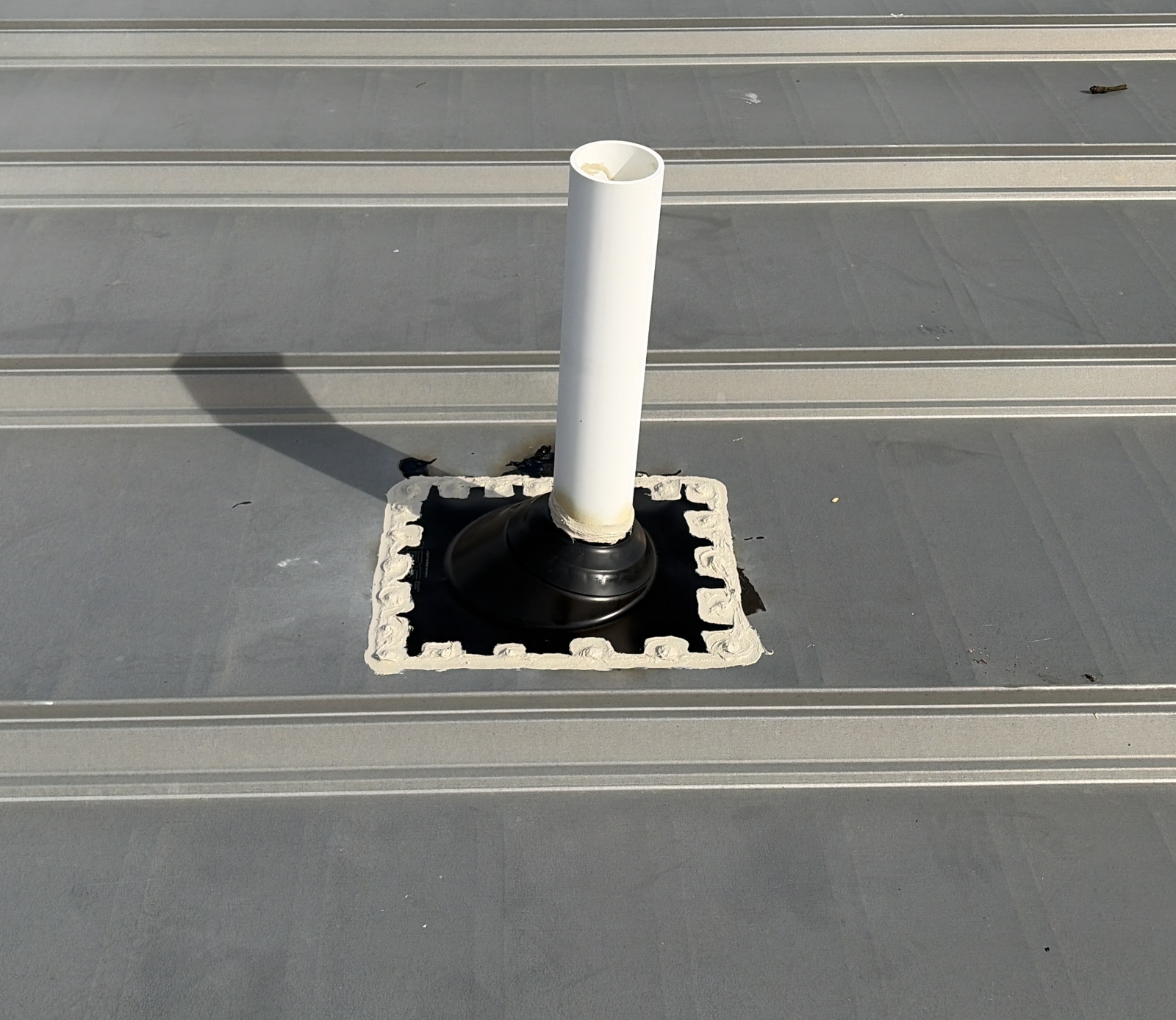
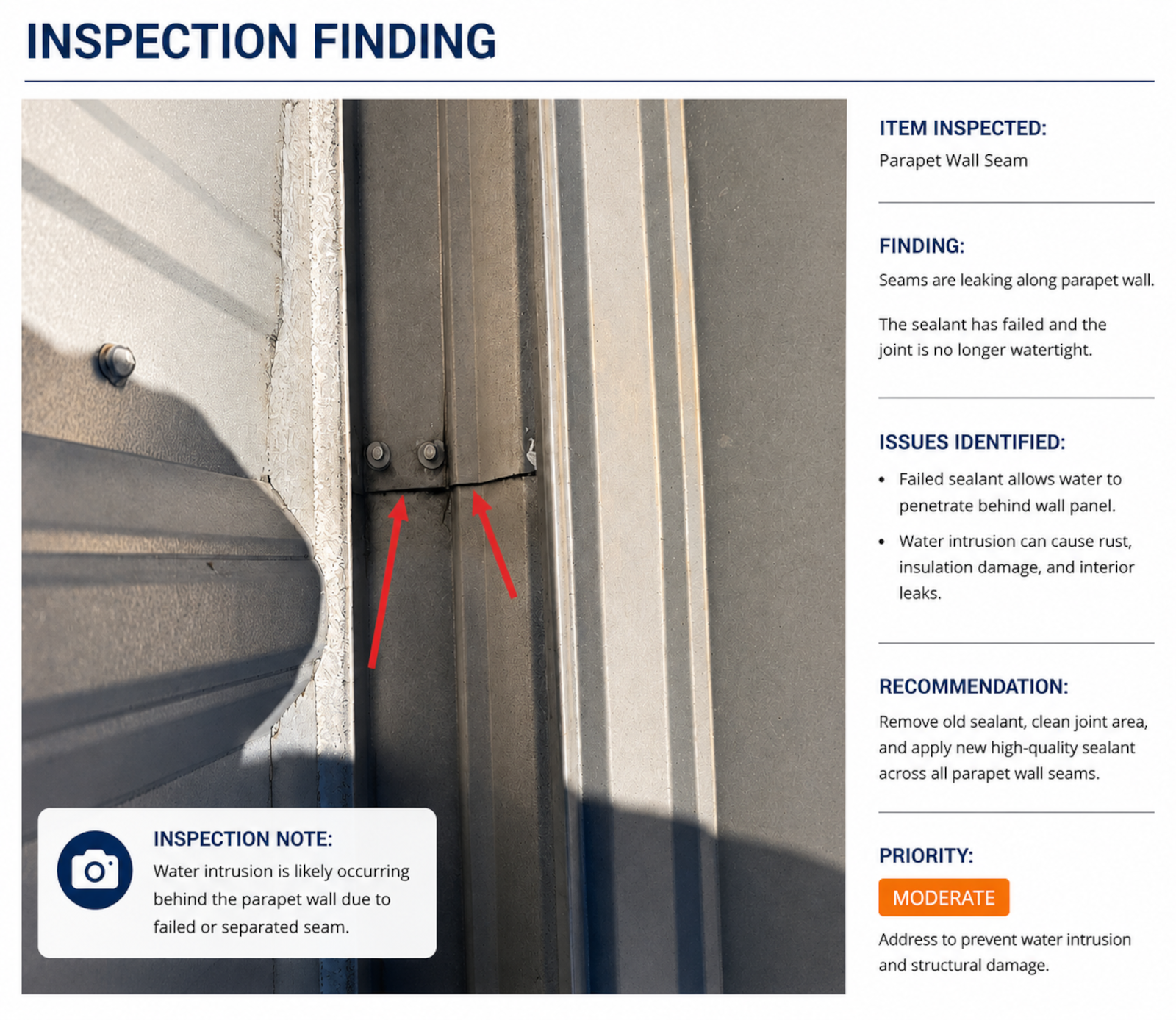
- Seams & Flashings: Check welded seams, flashing details, and roof penetrations for separation, damage, or potential leak points.
- Drainage System: Inspect roof drains, scuppers, gutters, and drainage paths to ensure water is flowing properly and not ponding on the roof.
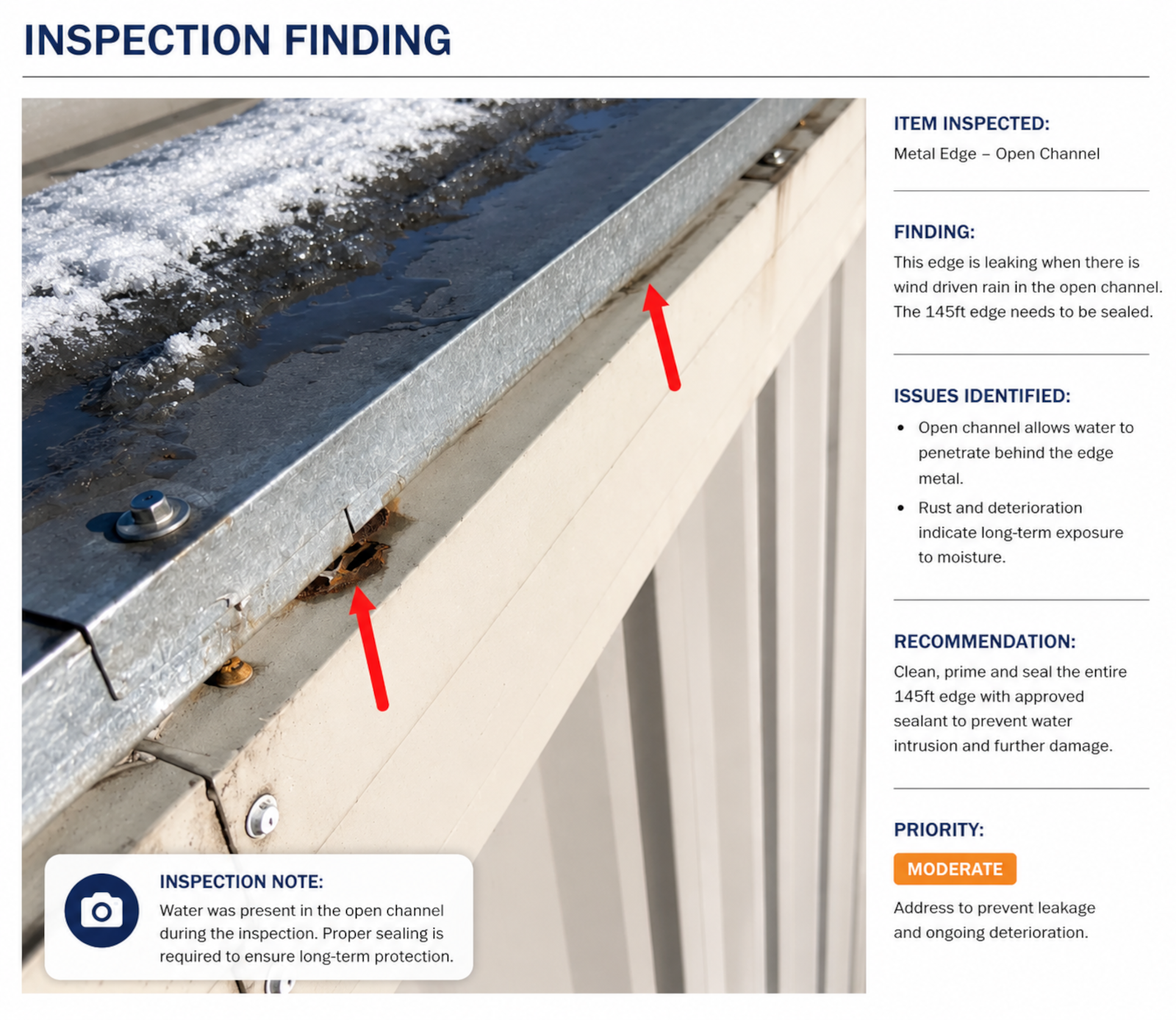
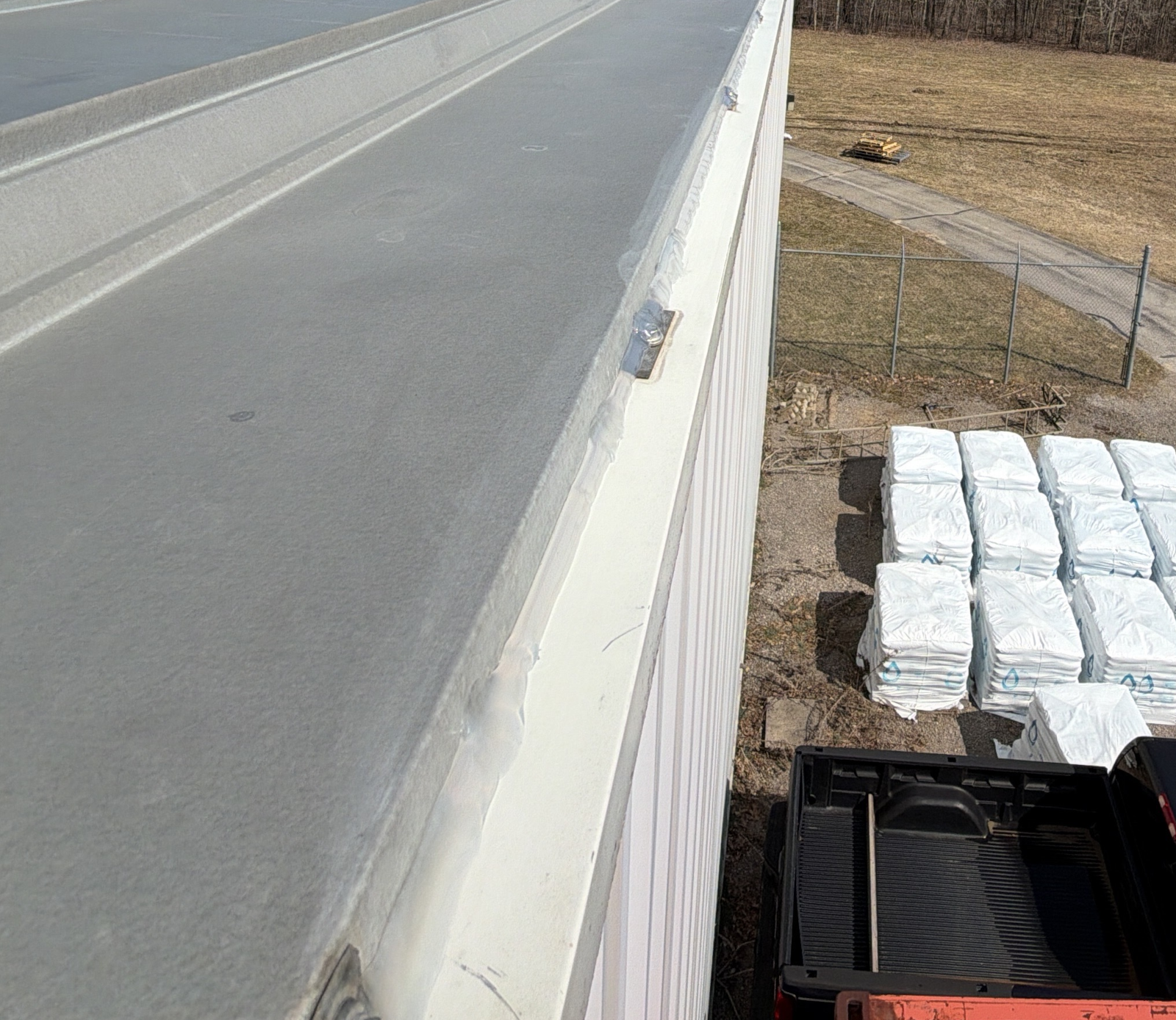
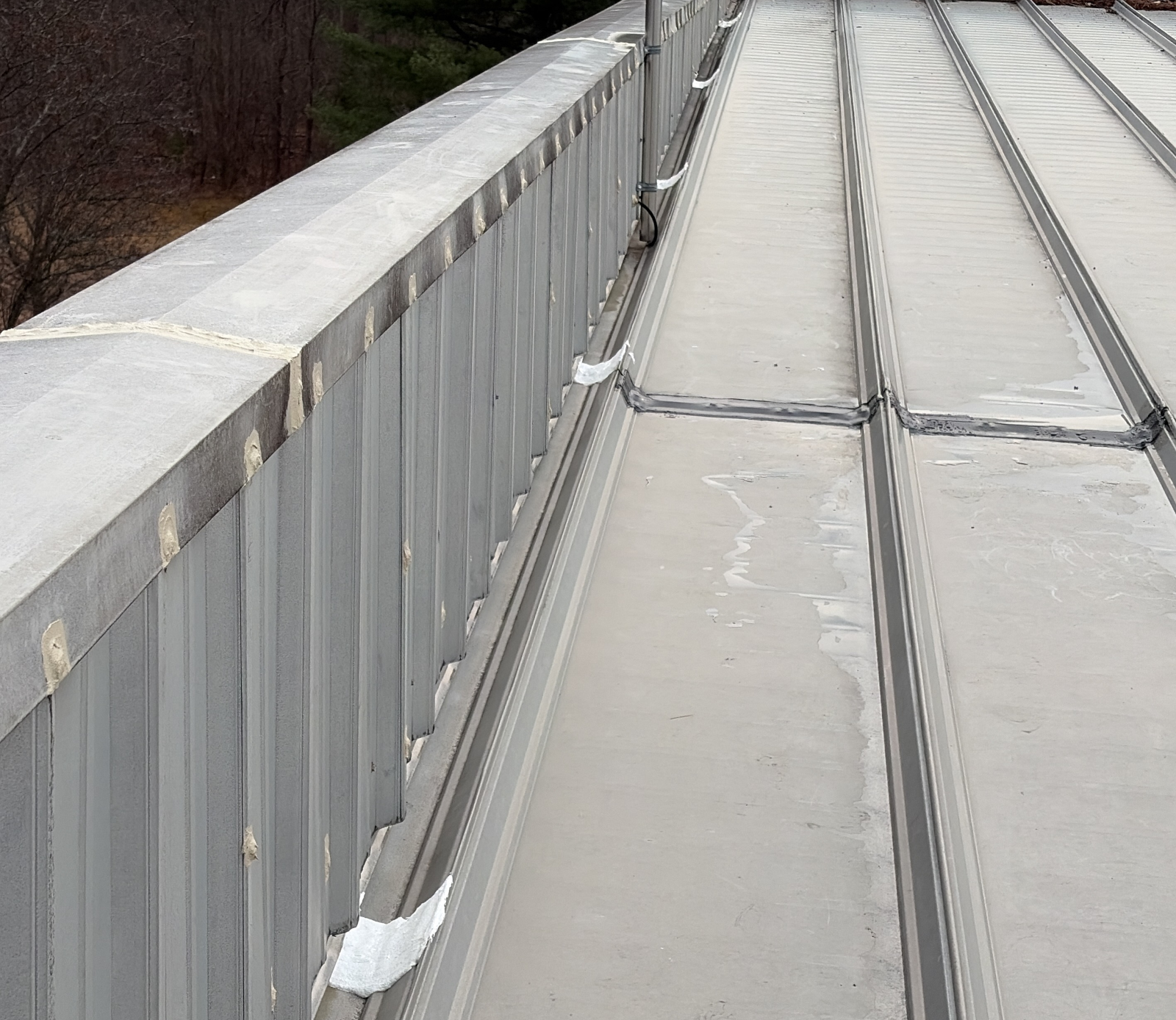
- Roof Perimeter: Evaluate coping, edge metal, parapet walls, and perimeter flashing for damage, movement, or deterioration.
- Rooftop Equipment: Inspect HVAC curbs, pipe penetrations, skylights, and other rooftop equipment for proper sealing and signs of water intrusion.
- Benefit: A comprehensive exterior roof inspection helps identify existing and potential roofing problems early, allowing repairs to be made before they become more costly.
When accessible, we inspect the attic and interior of your home for signs of roof-related problems that may not be visible from the outside.
- Water Intrusion: Inspect ceilings, walls, and occupied spaces for active leaks, water stains, and moisture damage.
- Roof Deck: Evaluate the underside of the roof deck for staining, deterioration, or signs of prolonged moisture exposure when accessible.
- Insulation: Check for wet insulation or trapped moisture that may indicate hidden roof leaks and reduce the roof's thermal performance.
- Structural Concerns: Identify visible conditions that may indicate roof-related structural deterioration or prolonged water intrusion.
- Interior Verification: Compare interior findings with the exterior roof inspection to help identify the source and extent of roofing problems.
- Benefit: Inspecting both the roof and the building's interior provides a more complete evaluation, helping identify hidden problems and recommend the most effective solution.
Once the inspection is complete, we'll walk you through everything we found in clear, straightforward language. We'll answer your questions, explain any areas of concern, and help you understand the overall condition of your roof.
- Inspection Summary: Provide a clear overview of the overall condition of your commercial roofing system.
- Photos & Documentation: Share photos of damaged areas and other notable conditions observed during the inspection.
- Areas of Concern: Identify deficiencies, potential leak sources, and conditions that may affect the roof's performance or service life.
- Repair Priorities: Explain which issues should be addressed promptly and which can be monitored over time.
- Questions & Review: Review the inspection results with you, answer your questions, and ensure you understand our findings before discussing recommendations.
- Benefit: A clear explanation of the inspection results helps you understand your roof's condition and make informed decisions about the next steps.
After reviewing our findings, we'll recommend the best course of action based on your roof's condition. Our recommendations are honest, straightforward, and focused on protecting your home—not selling you services you don't need.
- Preventive Maintenance: Recommend routine maintenance to help extend the service life of your existing roofing system.
- Roof Repairs: Identify repairs that address active leaks, damaged components, and other roofing deficiencies.
- Roof Restoration: Evaluate restoration options when they can extend the life of the existing roof and delay replacement.
- Roof-Over Systems: Determine whether a roof-over system is a practical and cost-effective solution for your building.
- Roof Replacement: Recommend complete roof replacement when repairs or restoration are no longer the best long-term option.
- Benefit: Recommending the right solution helps you make informed decisions based on your building's needs, budget, and long-term roofing goals.
If repairs or roof replacement are recommended, we'll provide a free, detailed estimate outlining the work we recommend. We'll explain the scope of the project, answer your questions, and make sure you understand your options before any work begins.
- Scope of Work: Provide a detailed breakdown of the recommended roofing services and materials.
- Project Pricing: Present clear, transparent pricing so you understand exactly what is included in the estimate.
- Roofing Options: Explain repair, restoration, roof-over, or replacement options when multiple solutions are available.
- Warranty Information: Review available manufacturer and workmanship warranties for the recommended roofing system.
- Project Planning: Discuss scheduling, project timelines, and answer any questions before work begins.
- Benefit: A detailed estimate gives you the information you need to confidently compare options, plan your project, and move forward without unexpected surprises.
What to Expect From Our Roof Repair Process
Roof Inspection FAQs
Have questions about roof inspections? Find answers about what we inspect, how long an inspection takes, what happens afterward, and when repairs or replacement may be recommended.
Do I need a roof inspection if I don't see a leak?
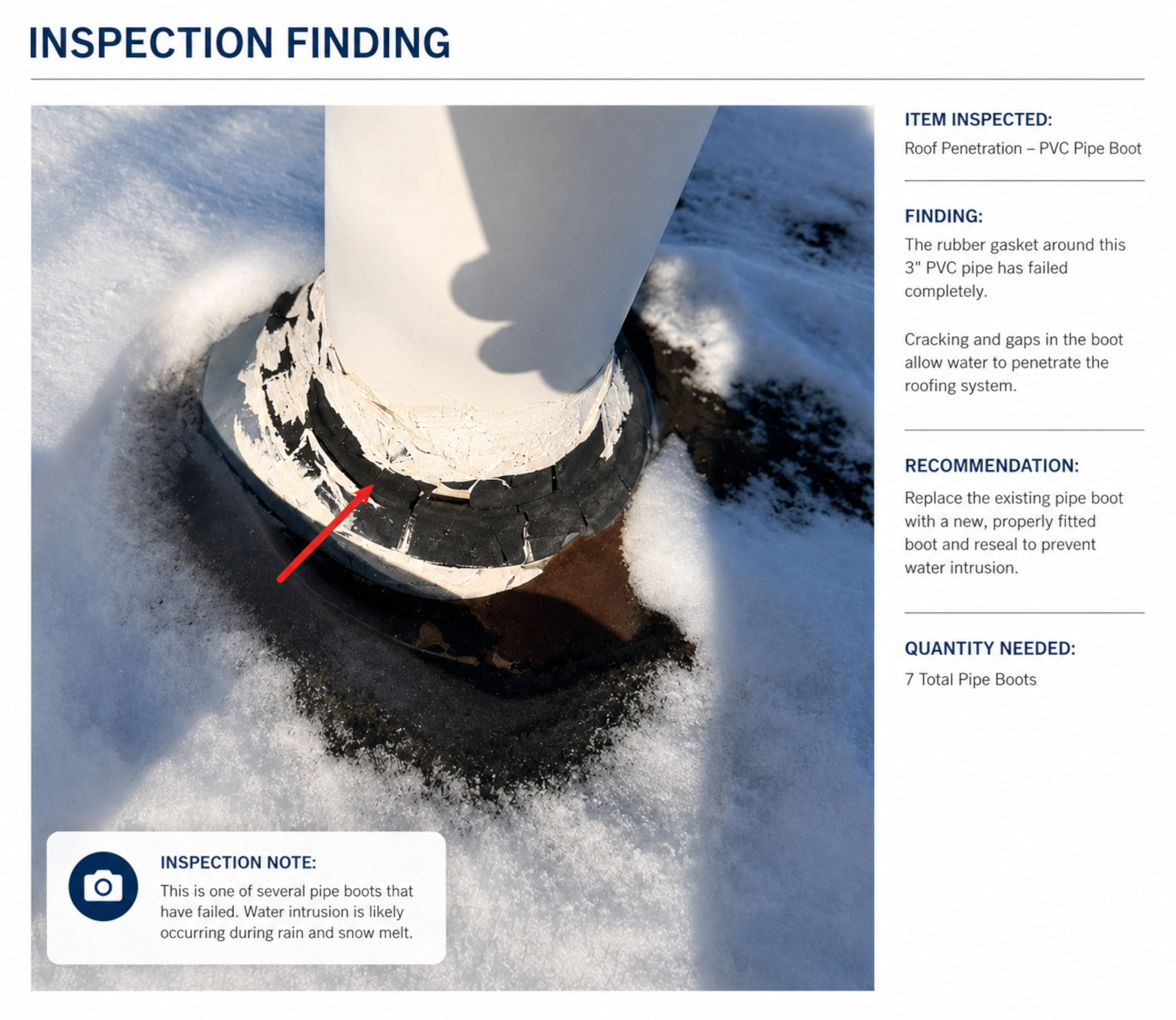
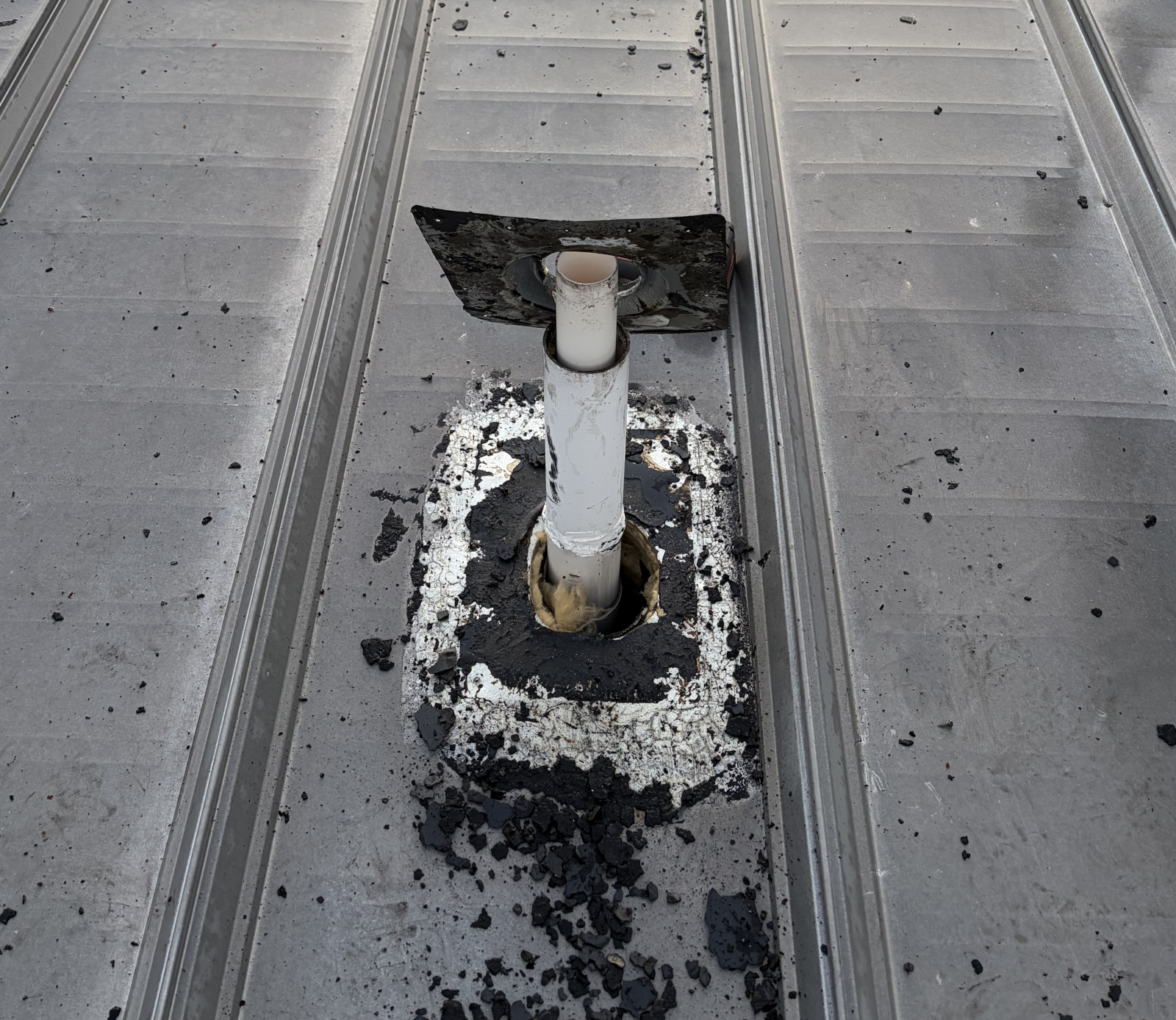
Not necessarily. Many roofing problems develop long before water reaches your ceiling. Missing shingles, damaged flashing, deteriorated pipe boots, loose edge metal, and failing sealants can all allow water into your roofing system without creating an immediate interior leak. A professional roof inspection can identify these issues early, often preventing more expensive repairs later.
What does a roof inspection include?
Our roof inspections include a thorough evaluation of the roofing system, flashing, pipe boots, roof penetrations, vents, edge metal, gutters, drainage, exposed fasteners, and other components that protect your home or commercial building. We also look for storm damage, aging materials, signs of water intrusion, and workmanship issues that could lead to future leaks.
Will I receive photos of the problems you find?
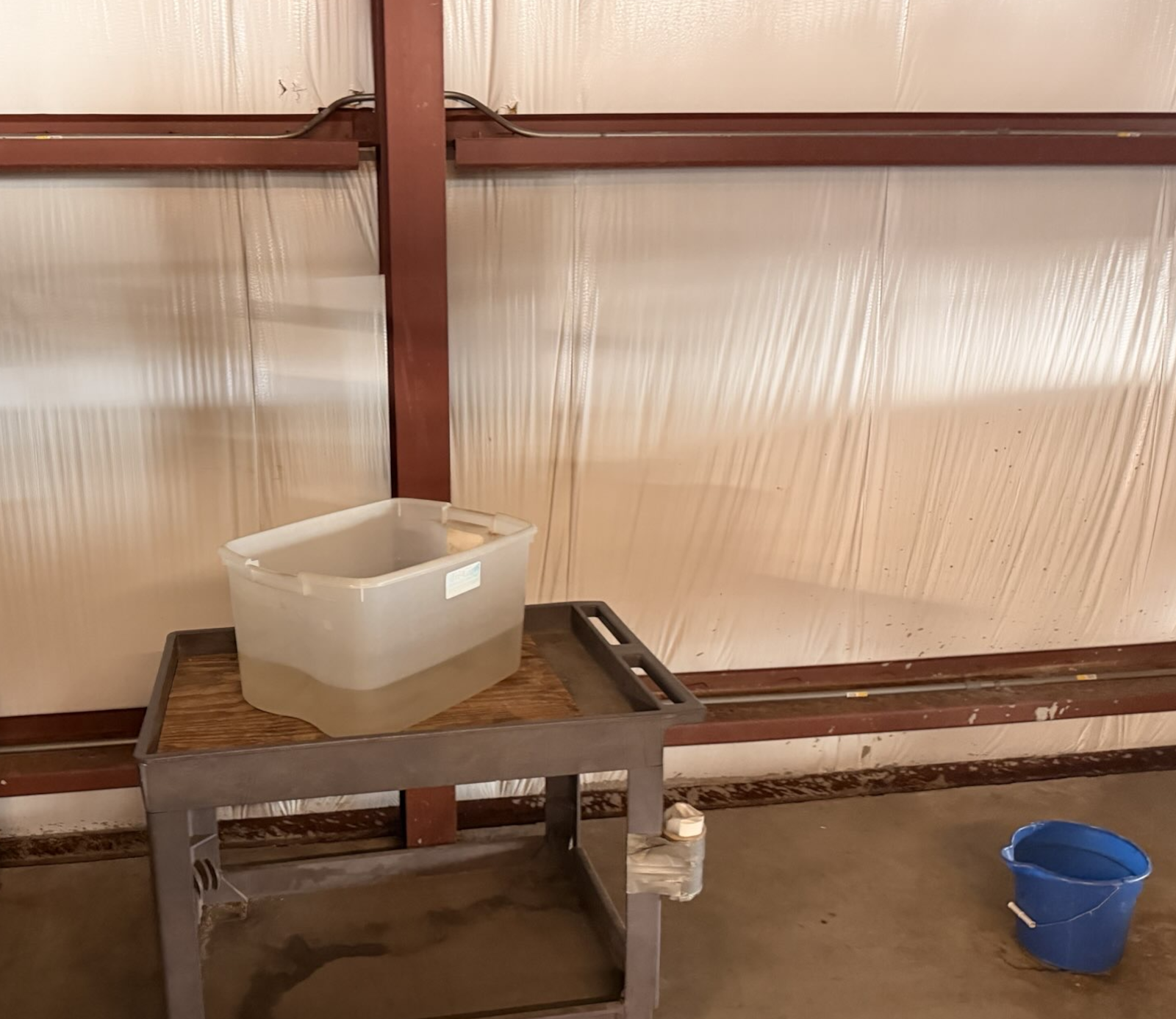
Yes. We document significant findings with photographs and explain exactly what we're seeing. When repairs are recommended, we'll identify the affected areas, explain why they're failing, and provide clear recommendations so you understand the condition of your roof before making any decisions.
How long does a roof inspection take?
Most residential roof inspections take about 30 to 60 minutes, while larger commercial buildings may require additional time depending on the size and complexity of the roof. If an estimate is needed, we'll typically prepare and provide it within one to two business days.
How often should I have my roof inspected?
After completing the inspection, we'll review our findings with you, answer any questions, and explain your options. If repairs or replacement are recommended, you'll receive a detailed estimate outlining the scope of work, materials, pricing, and available warranty options. Our goal is to help you make an informed decision—not pressure you into one.
What happens after the inspection?
Most roofing manufacturers recommend having your roof professionally inspected at least once every year and after major storms involving hail, high winds, or fallen tree limbs. Regular inspections help identify small problems before they develop into roof leaks or structural damage.